After Action Reviews
Use disciplined AARs to compare intended and actual performance, identify why results occurred, and convert observations into specific improvements for future training.
In this guide
Purpose of an AAR
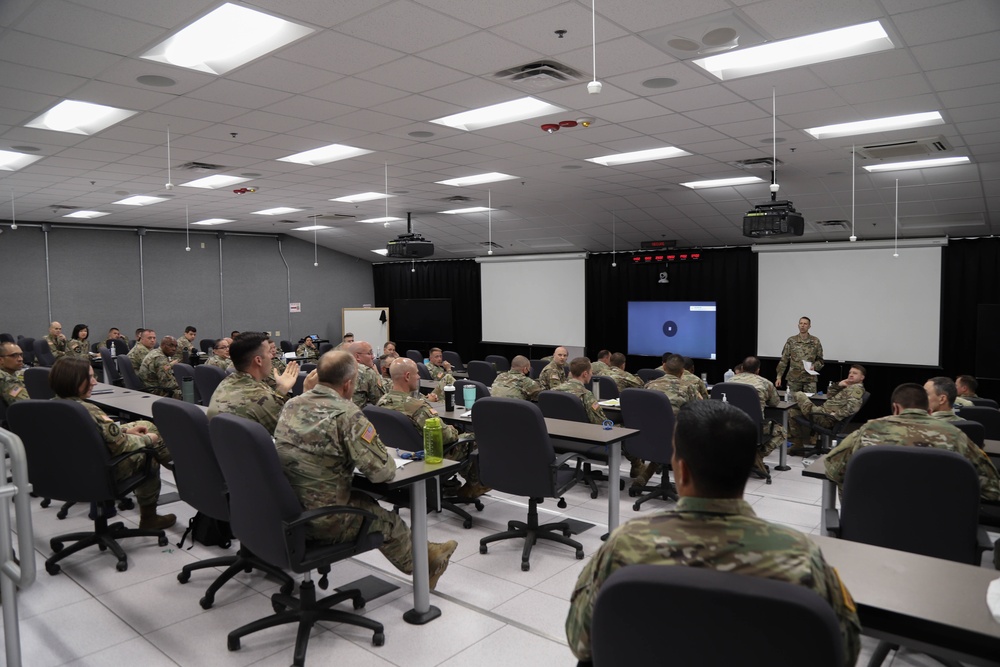
An AAR is a professional discussion of an event focused on performance and improvement. It is not a critique session designed to assign blame. The goal is to understand what happened, why it happened, and how to sustain strengths or improve weaknesses.
Formal and Informal AARs
Formal AARs normally require more planning, dedicated facilitators, training aids, and selected discussion points. Informal AARs can happen quickly after a repetition or event. Both should remain tied to the objective and observed performance.
What Was Supposed to Happen?
Start with the task, objective, plan, or standard. If participants disagree about what was expected, resolve that before discussing performance.
What Actually Happened?
Build a shared factual picture using participant observations, evaluator notes, timelines, products, and other evidence. Encourage Soldiers who performed the task to explain what they saw and did.
Why Did It Happen?
Move beyond symptoms. A missed standard may come from weak individual skills, unclear instructions, poor SOPs, equipment, timing, leadership, communications, or unrealistic planning. Identifying the cause is what makes the AAR useful.
Sustain and Improve
Identify practices that should continue and specific deficiencies that need correction. Avoid vague conclusions such as “communicate better.” State what behavior or process should change.
Turn Discussion Into Action
AAR observations should inform retraining, SOP updates, future plans, resource decisions, and leader development. Assign follow-up actions when necessary. Otherwise the same lessons are repeatedly rediscovered.
Convert a discussion into a specific improvement
An AAR is most useful when the group can connect an observed result to a cause and then test a correction. Keep the conversation tied to the training objective. The example below concerns an administrative rehearsal, not a real operational event.
Worked example
During a rehearsal, three team members submit status updates after the agreed time. Start with what was expected and build a timeline of what actually happened. Participants explain that they used different worksheet versions and spent time reconciling the fields. “Communicate better” would be too vague. A useful improvement is to designate one current worksheet, identify who distributes it, and have everyone confirm receipt before the next rehearsal. Retain a practice that worked, such as checking source records before reporting. On the next repetition, compare the results and find out whether the change addressed the cause.
Your practice checklist
Choose a routine, non-sensitive example. Work through each step on paper or use these checkboxes as you read. Checks reset when you reload the page.
Common mistake to avoid
Do not let the most senior person supply every answer. Ask participants what they observed and invite different perspectives. Distinguish a cause supported by evidence from a guess. If the group cannot explain a result yet, record the unanswered question and decide how to investigate it instead of treating the first explanation as proven.
Explain it in your own words
Answer each question before revealing the explanation.
Why identify what went well?
The team needs to preserve effective practices, not only correct deficiencies. Describe the specific behavior that helped.
What makes an improvement actionable?
A defined change, someone responsible, a time to apply it, and a way to check whether performance improved.
Sources & further reading
These are MILCOMPASS explanations and practice examples. The underlying doctrine is FM 7-0 — Training / TC 7-0.1 — After Action Reviews. Follow current official publications and applicable command guidance for real requirements.
- Training Management Directorate: TC 7-0.1, After Action Reviews
- Training Management Directorate: training management
- Army Publishing Directorate: check the current publication
Found an error or a source that has moved? Send a correction with this guide’s URL.